Imagine This: A Financial Wake-Up Call
Picture yourself at the end of a hectic month, staring at a pile of receipts, bank statements, and scribbled notes that somehow represent your financial life. You've got bills stacking up, unexpected expenses popping out of nowhere, and that nagging feeling that you're missing something crucial. It's like trying to navigate a foggy road without headlights—frustrating, risky, and bound to lead to a crash sooner or later. I've been there, and let me tell you, it's not just about the stress; it's about the real-world consequences that sneak up when your money matters are in disarray.
Now, think about how this chaos multiplies if you're running a small business or managing a household budget. One overlooked transaction could mean overpaying taxes, missing out on deductions, or even facing audits that drain your time and energy. It's that sinking sensation when you realize your hard-earned cash is slipping through the cracks, and you're left wondering where it all went. We've all heard stories of folks who thought they were on top of things, only to discover hidden debts or forgotten assets that throw everything off balance. And in today's fast-paced world, with digital payments and online shopping tempting us at every turn, keeping track feels more overwhelming than ever.
But here's where it gets interesting—what if there was a straightforward tool that could cut through this mess like a hot knife through butter? Enter the ledger, that unsung hero of financial clarity. You might be asking yourself, what does a ledger do exactly? Well, stick around, because we're about to dive into how this simple yet powerful system can transform your approach to money management, making sense of the madness and empowering you to take control.
Digging Deeper: The Everyday Struggles Without Proper Tracking
Let's face it, without a solid way to record and review your finances, you're essentially flying blind. Remember that time you splurged on a fancy dinner, only to forget about it until your credit card bill arrived like an unwelcome guest? Multiply that by dozens of transactions, and you've got a recipe for financial anxiety. Statistics from financial experts show that nearly 40% of Americans live paycheck to paycheck, often because they lack a clear picture of their inflows and outflows. It's not just about forgetting expenses; it's the ripple effects—late fees, overdraft charges, and the constant worry that erodes your peace of mind.
And for entrepreneurs or freelancers, the stakes are even higher. Imagine pitching to investors or applying for a loan, only to fumble through disorganized records that make your business look amateurish. I've chatted with small business owners who've shared horror stories of tax season turning into a nightmare because they couldn't quickly answer basic questions about their earnings and expenditures. What is a ledger used for in these scenarios? It's not just a dusty book from accounting class; it's your frontline defense against these pitfalls, helping you spot patterns, avoid errors, and build a foundation for growth.
Consider this surprising fact: according to a study by the National Endowment for Financial Education, people who actively track their finances are twice as likely to achieve their savings goals. Yet, so many of us skip this step, thinking it's too time-consuming or complicated. The agitation builds when you realize that ignoring it doesn't make the issues disappear—it amplifies them. Debts pile up unnoticed, opportunities for smart investments slip away, and before you know it, you're in a cycle of catch-up that's exhausting and demoralizing. It's like ignoring a small leak in your boat; eventually, you're sinking, and bailing water frantically won't save you if you don't plug the hole first.
Why Traditional Methods Fall Short
We've all tried the alternatives—spreadsheets that get outdated, apps that promise the world but end up confusing us more, or worse, just winging it with mental math. These shortcuts might work for a week or two, but they crumble under pressure. A ledger, on the other hand, offers structure that's timeless and adaptable. What is the purpose of a ledger? At its core, it's about creating a reliable record that stands the test of time, whether you're dealing with personal finances or scaling a business empire.
- Spotting Trends: See where your money really goes, from coffee runs to subscription traps.
- Ensuring Accuracy: Double-check entries to catch mistakes before they snowball.
- Planning Ahead: Use historical data to forecast and budget effectively.
These aren't just bullet points; they're lifelines in a sea of financial uncertainty. By integrating a ledger into your routine, you're not just logging numbers—you're gaining insights that lead to smarter decisions.
Unlocking the Power: How a Ledger Changes Everything
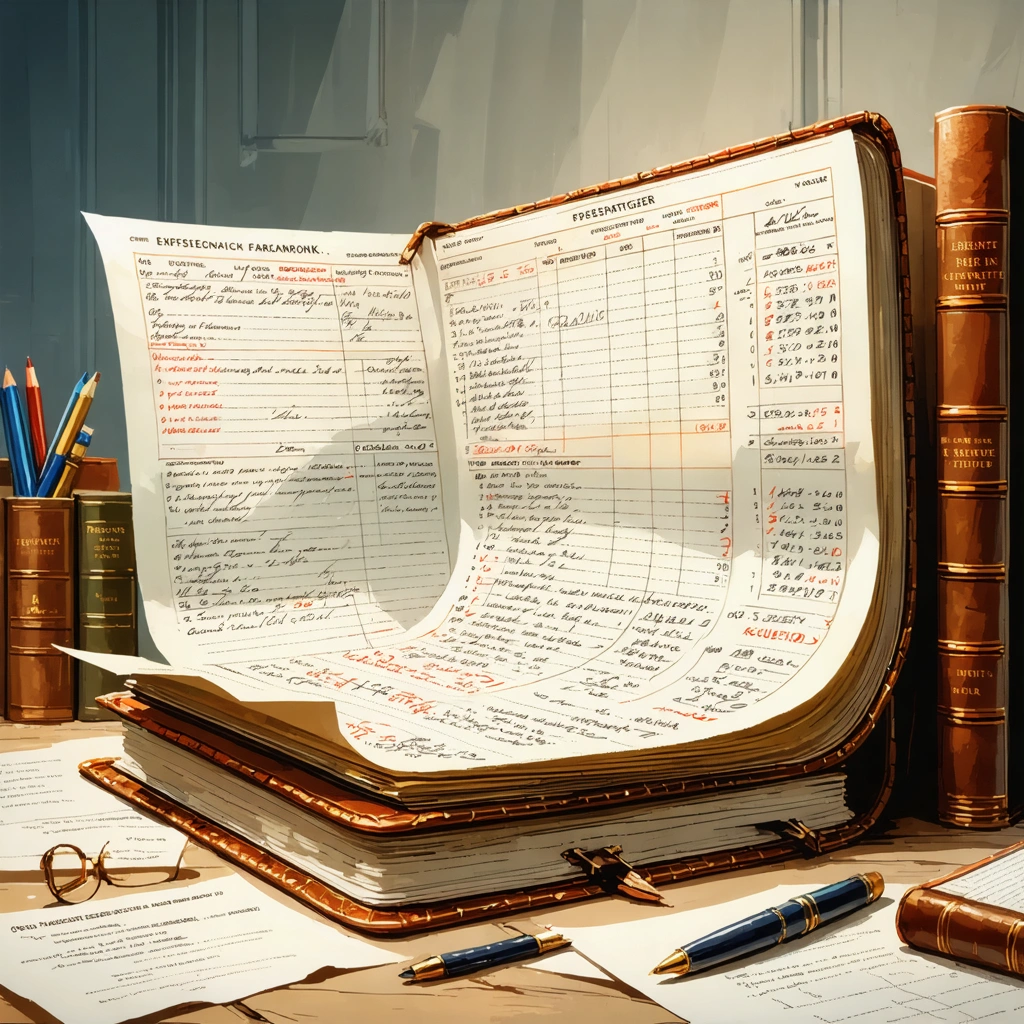
So, let's shift gears and talk about the game-changer. A ledger isn't some archaic relic; it's a dynamic tool that brings order to chaos. What is the purpose of the ledger in modern terms? It's your personal financial diary, meticulously noting every debit and credit, ensuring nothing falls through the cracks. Think of it as the backbone of accounting, where debits on one side balance credits on the other, painting a complete picture of your fiscal health.
In my years as a content writer diving into financial topics, I've seen how adopting a ledger can turn skeptics into believers. Take Sarah, a freelance designer I know—she was drowning in irregular income streams until she started using a simple digital ledger. Suddenly, she could track client payments, deduct business expenses accurately, and even set aside funds for taxes without the usual panic. It's stories like these that highlight why understanding what does a ledger do is crucial: it empowers you to make informed choices, reduce stress, and build wealth over time.
But don't just take my word for it. Financial gurus like Warren Buffett emphasize the importance of meticulous record-keeping as a cornerstone of success. A ledger helps you comply with legal requirements, prepare for audits, and even negotiate better terms with lenders by showcasing your financial discipline. Whether you're a student budgeting your allowance, a parent juggling family expenses, or a CEO overseeing corporate accounts, the ledger adapts to your needs.
Getting Started: Simple Steps to Ledger Mastery
Excited yet? Starting is easier than you think. Begin with the basics: choose between a physical book or a digital version like software apps. Record transactions daily, categorize them (think income, expenses, assets), and review monthly. What is a ledger used for beyond tracking? It's for reflection—analyzing spending habits to cut waste and boost savings.
Here's a quick list to kick things off:
- Gather your financial documents.
- Set up categories that fit your life.
- Commit to consistent updates.
- Review and adjust regularly.
With these habits, you'll wonder how you ever managed without it. The beauty lies in its simplicity—what is the purpose of the ledger if not to demystify finances and put you in the driver's seat?
As we wrap up this deep dive, remember that unlocking financial secrets starts with one entry at a time. A ledger isn't just about numbers; it's about freedom, security, and the confidence that comes from knowing exactly where you stand. So, why wait? Grab that ledger and start revealing the truths hidden in your finances today. Your future self will thank you.

What Does a Ledger Do and Why Is It Important?
Have you ever wondered about the backbone of financial record-keeping? In the world of accounting and finance, understanding what does a ledger do can truly unlock financial secrets that empower businesses and individuals alike. A ledger is essentially a comprehensive record that tracks all financial transactions, serving as the central hub for organizing and summarizing economic activities. But why is it so crucial? Let's dive deep into this topic, exploring not just the basics but also the profound impact ledgers have on financial health and decision-making.
Understanding the Basics: What Is a Ledger Used For?
When people ask what is a ledger used for, they're often seeking clarity on its role in managing money matters. At its core, a ledger is a book or digital system where transactions are recorded in detail, categorized by accounts such as assets, liabilities, equity, revenue, and expenses. This systematic approach ensures that every debit and credit is accounted for, maintaining the balance in the double-entry bookkeeping system.
Imagine running a small coffee shop. Each sale of a latte, purchase of beans, or payment of rent gets logged into the ledger. According to a study by the Association of Chartered Certified Accountants (ACCA), businesses that maintain accurate ledgers are 2.5 times more likely to detect financial discrepancies early, preventing potential losses. This real-life application highlights how ledgers act as a financial diary, providing a clear picture of where money comes from and where it goes.
The Core Purpose: What Is the Purpose of a Ledger?
Delving into what is the purpose of a ledger, we find it's multifaceted. Primarily, it ensures accuracy and compliance with financial regulations. By recording transactions chronologically and categorically, ledgers help in preparing financial statements like balance sheets and income statements. This purpose extends to auditing, where ledgers provide verifiable evidence of financial activities.
Consider a case study from a mid-sized tech firm that faced an audit. Their well-maintained ledger allowed auditors to trace every transaction back to its source, resulting in a clean report and avoiding penalties that could have reached up to $100,000, as per IRS guidelines. Moreover, what is the purpose of the ledger in strategic planning? It offers insights into cash flow trends, helping businesses forecast future needs and avoid insolvency. Statistics from Deloitte show that companies using detailed ledgers improve their forecasting accuracy by 30%.
Why Ledgers Matter: The Importance in Modern Finance
Beyond the basics, the importance of a ledger lies in its ability to foster transparency and trust. In an era where financial fraud costs global economies over $5 trillion annually (according to the Association of Certified Fraud Examiners), a robust ledger system acts as a safeguard. It enables stakeholders, from investors to regulators, to verify the integrity of financial data.
For individuals, think about personal finance apps like Mint or QuickBooks, which essentially digitize the ledger concept. These tools help users track spending, budget effectively, and even prepare taxes. A survey by PwC revealed that 70% of consumers who use digital ledgers report better financial control, reducing unnecessary debt by an average of 15%.
How to Use a Ledger Effectively: Step-by-Step Guidance
To truly grasp what does a ledger do, it's helpful to know how to implement one. Here's a simple guide:
- Choose Your Ledger Type: Decide between a general ledger for overall records or subsidiary ledgers for specifics like accounts receivable.
- Record Transactions: Enter debits and credits promptly, ensuring they balance.
- Reconcile Regularly: Compare ledger entries with bank statements to catch errors early.
- Analyze Data: Use ledger insights to generate reports and make informed decisions.
- Leverage Technology: Adopt software like Xero or Sage for automation and real-time updates.
Anticipating follow-up questions, you might wonder about digital vs. manual ledgers. Digital versions offer scalability and error reduction, with blockchain-based ledgers (like those in cryptocurrencies) adding layers of security through decentralization.
Common Challenges and Solutions
While ledgers are invaluable, challenges like human error or data overload can arise. For instance, a retail chain once lost $2 million due to ledger inaccuracies, as reported in a Harvard Business Review case study. Solutions include regular training and implementing AI-driven tools that flag anomalies, ensuring the ledger remains a reliable tool for financial mastery.
In conclusion, understanding what is a ledger used for and what is the purpose of the ledger reveals its role as the unsung hero of finance. By providing structure, insights, and security, ledgers empower better decisions and safeguard against risks. Whether you're a business owner or an individual, embracing ledger principles can indeed unlock those financial secrets for a more prosperous future.